
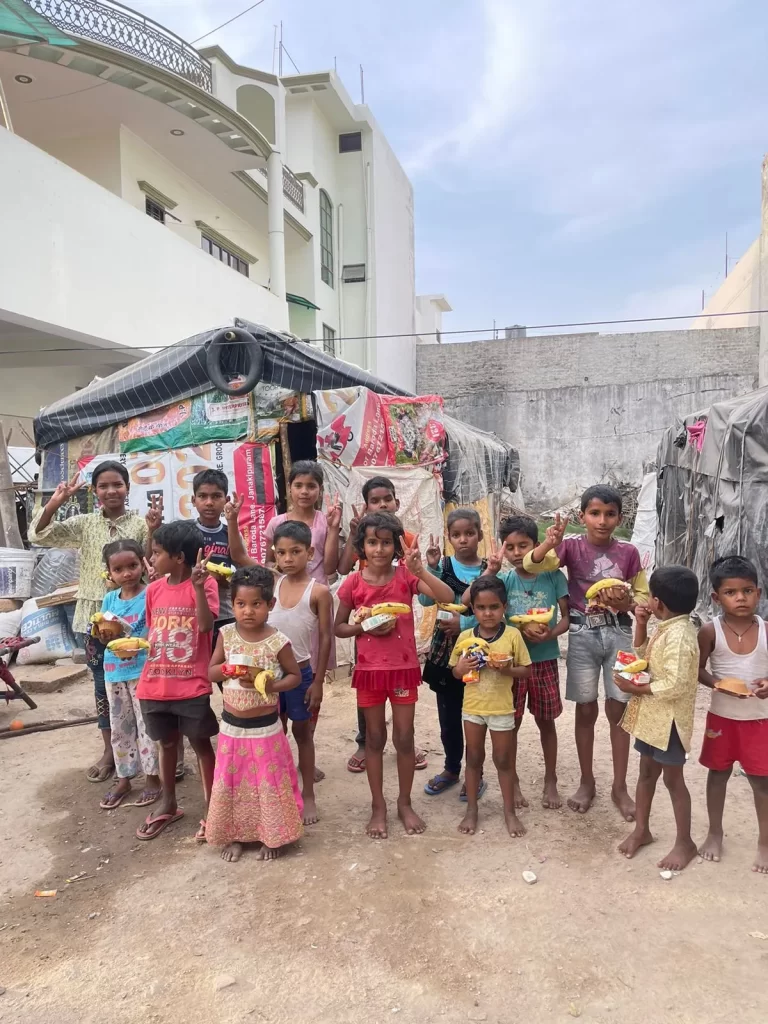
Education interrupts that transmission by expanding what a young person can credibly aspire to and achieve. It widens the menu of occupations and reduces dependence on exploitative intermediaries.
Even incomplete schooling delivers partial benefits—basic numeracy improves market transactions and health decisions—but completing secondary education dramatically improves lifetime earnings and stability in most economies.
Vocational and digital skills layered on foundational learning help older adolescents who missed early schooling find footholds in formal work or dignified self-employment.
Breaking cycles also means addressing barriers at home: childcare responsibilities, debt, and pressure to marry early. NGOs that combine cash or in-kind support with education make it realistic for families to choose school over short-term income.
Each graduate from a poor household is evidence that the cycle can break—and a reason for the next child in the family to believe school is possible. That is how education reshapes norms, not only incomes.