
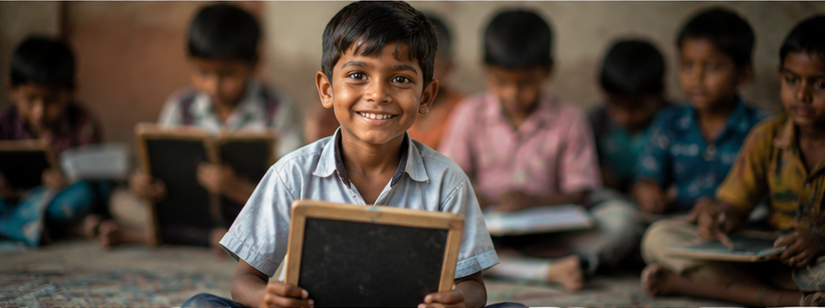
Child education is especially powerful because skills compound over decades. Foundational literacy and numeracy in primary years make secondary and vocational training possible; those layers in turn unlock higher earnings and better health behaviors throughout life.
Educating girls yields disproportionate social returns—in many contexts, educated mothers invest more in their children’s nutrition and schooling, creating an upward spiral for families and regional development.
From a national perspective, a well-educated workforce attracts investment, adapts to technological change, and reduces reliance on fragile informal work. No country has sustained broad prosperity without mass access to learning.
The key word is equity: education must reach rural areas, marginalized castes and tribes, migrant families, and children with disabilities. Otherwise, opportunity gaps widen and social tensions deepen.
Supporting child education through policy, philanthropy, and volunteer action is one of the clearest ways to say yes to a fairer, more stable world—and to the conviction that talent is everywhere, even when resources are not.